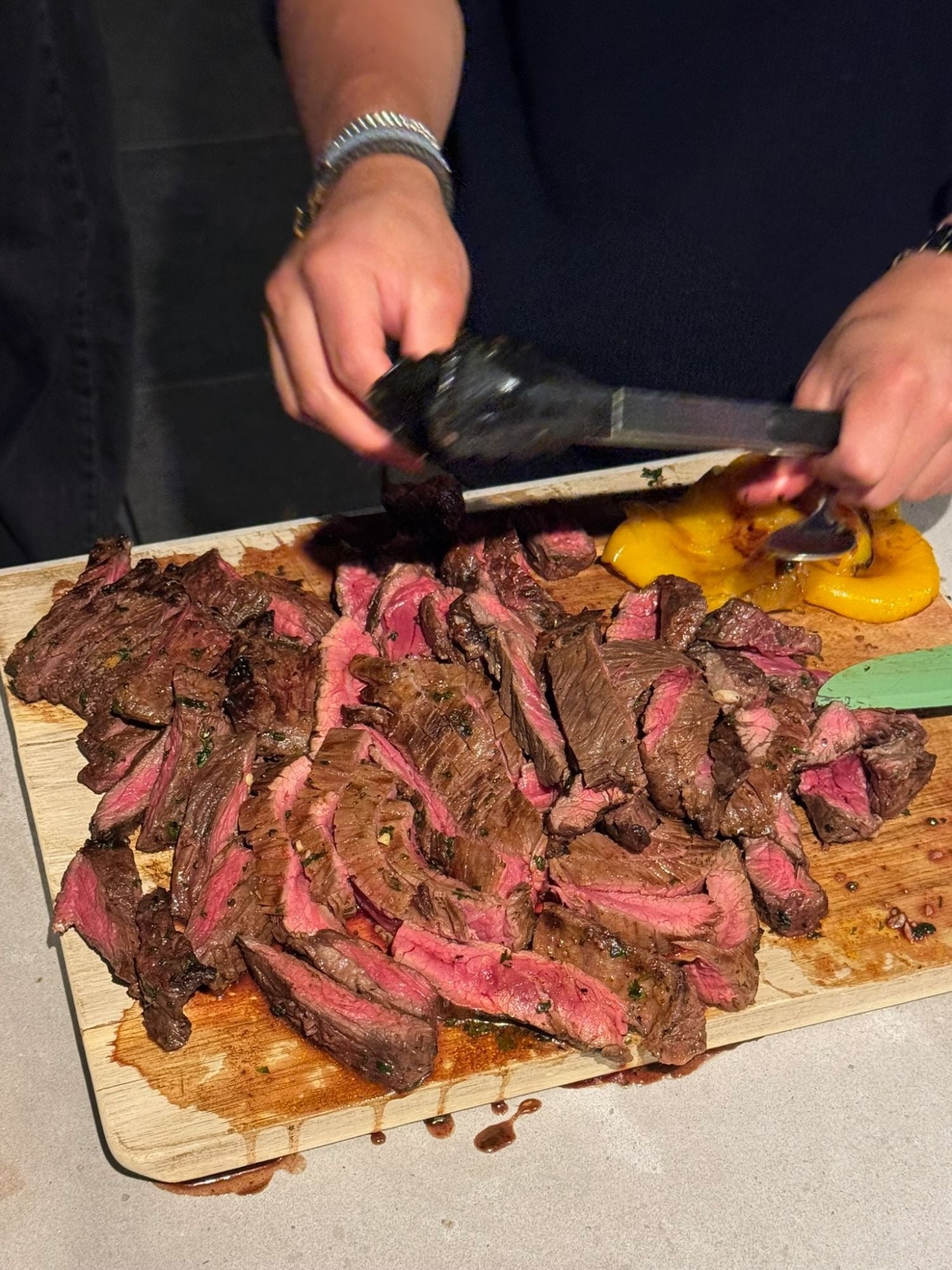
“Protein maxxing” has made its way into our feeds, grocery stores, restaurants, and probably our own shopping carts. Suddenly, everything has a protein version, and somehow the protein count started to carry more weight than the rest of the label.
Protein is important, obviously. We need it to build and repair muscle, support recovery, and maintain strength.
But somewhere along the way the goal shifted from getting enough protein to getting more of it, in everything, all the time.
So, how much protein do we really need?
For most of us, the answer is probably not as much as the internet makes it seem. If you’re regularly eating foods like eggs, chicken, fish, Greek yogurt, tofu, beans, lentils, or meat, you may already be getting plenty. Individual needs vary based on body size, age, activity level, and health status, so a calculator can help give you a general estimate.
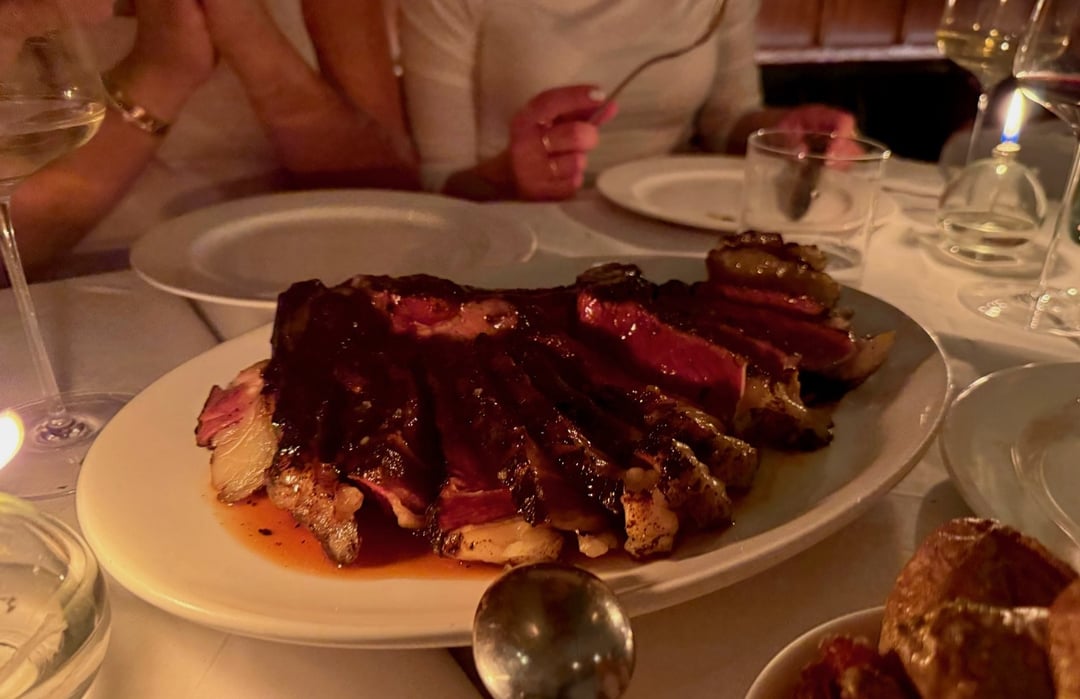
Depending on your needs, a meal with 50 grams of protein isn’t automatically better than one with 25 if it comes at the expense of carbs, fats, fiber, fruits, and vegetables.
Should you get the protein version?
Protein chips, ice creams, cereals, bars, and drinks can be a convenient way to increase your protein intake, but the extra protein doesn’t necessarily make them the better option. They can still be high in added sugar, saturated fat, or heavily processed ingredients. Some also contain sugar alcohols and sweeteners that can be harder to digest and are associated with gas, bloating, and abdominal discomfort.
A protein bar, for example, can have a much longer ingredient list than a regular chocolate bar. If the main reason you’re choosing it is because the word “protein” makes it seem healthier, that’s where the label can start to be misleading.
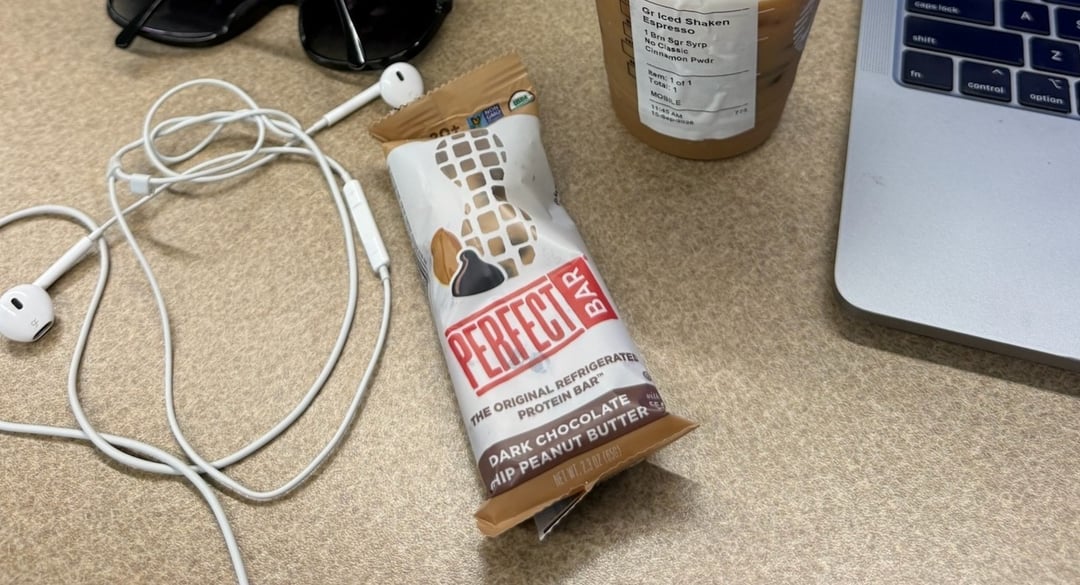
That doesn’t mean protein products need to be avoided altogether. Protein bars and powders can be useful when you need something quick, convenient, or an easy way to add protein to a meal. They can have a place in a balanced diet without every snack becoming a “protein-maxxing” opportunity. Here are some protein snacks we grab when we’re on the go.
Our Approach
We start with whole foods.
Most of our protein comes from foods like eggs, fish, chicken, Greek yogurt, cottage cheese, beans, lentils, tofu, nuts, and meat.
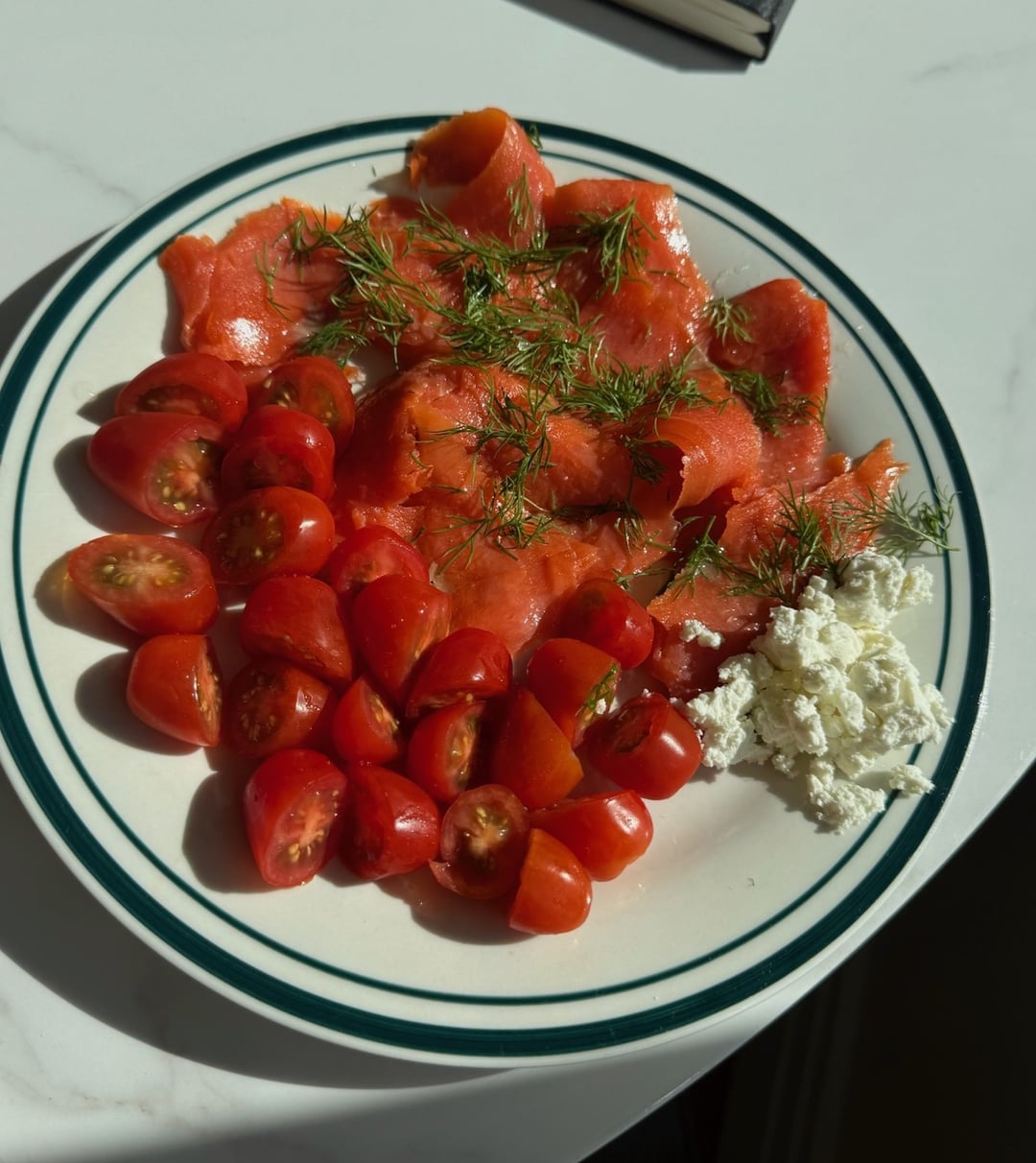
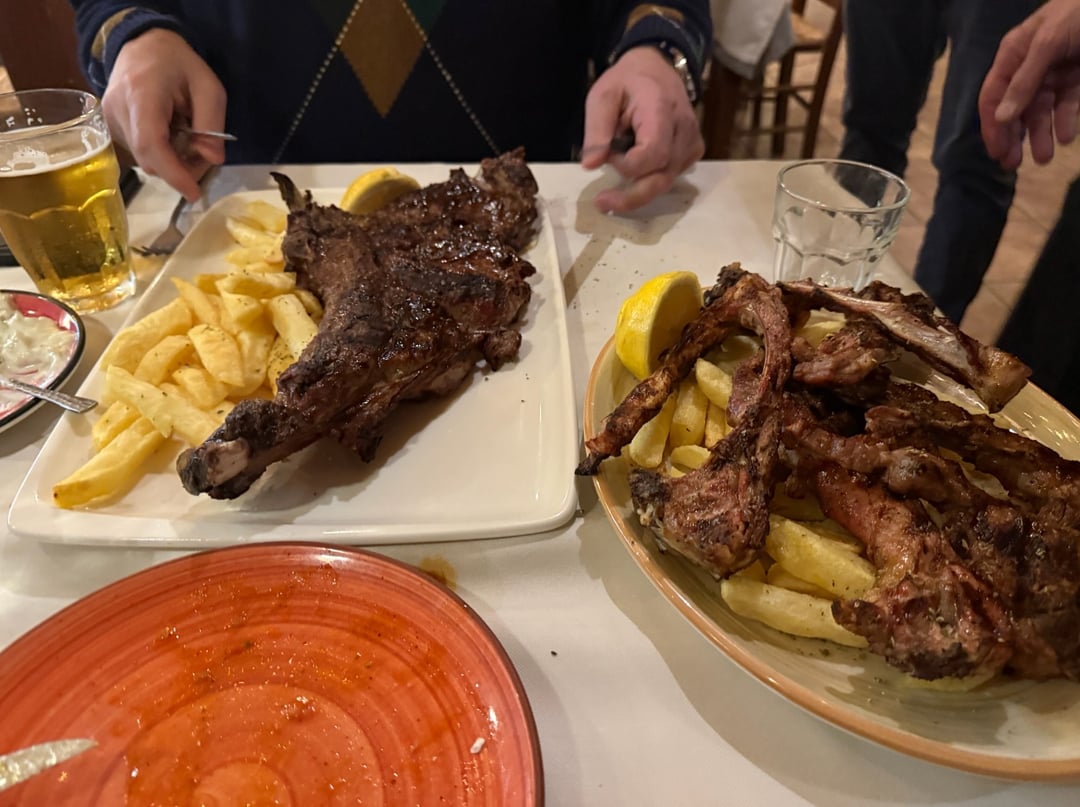
We think about the whole meal.
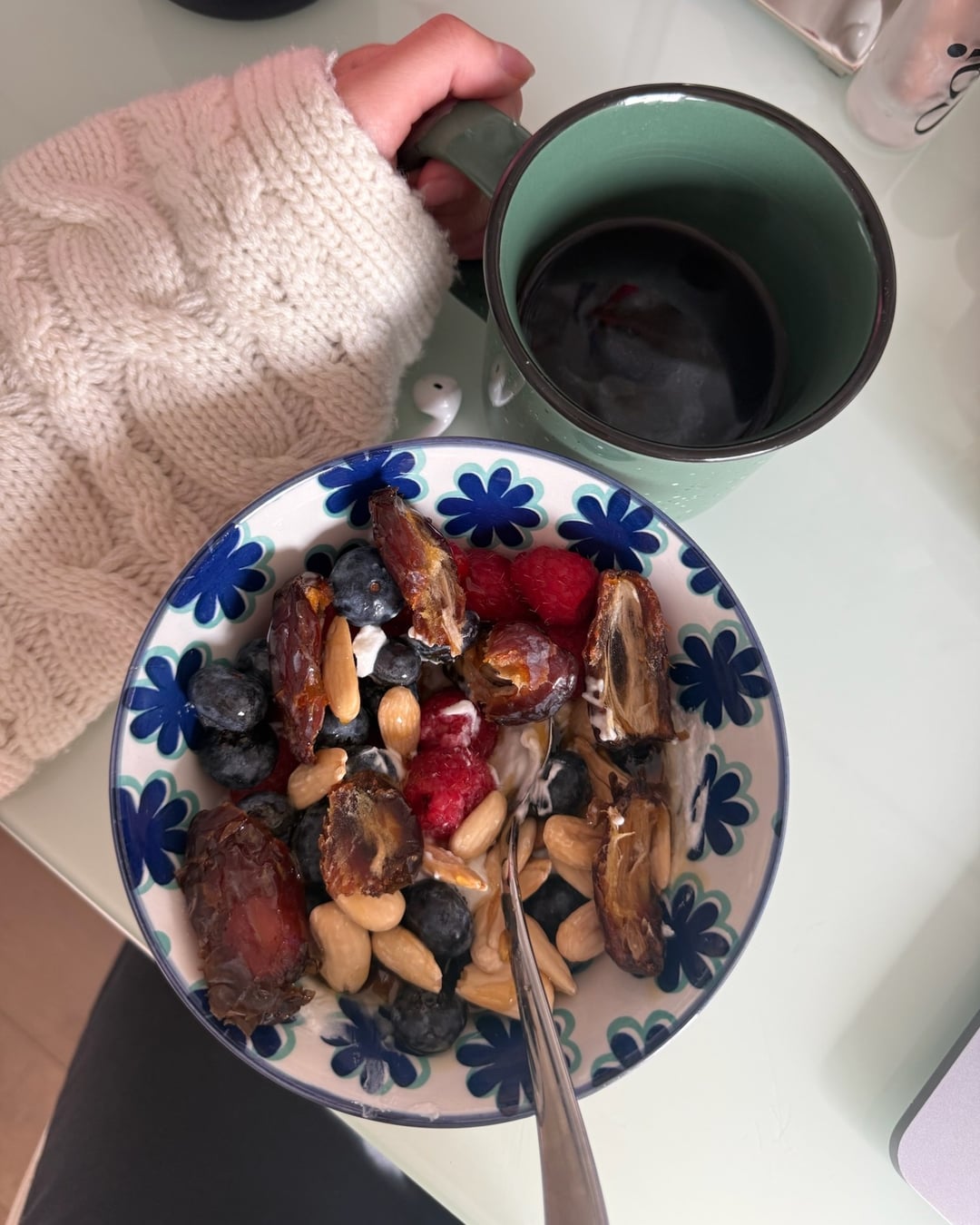
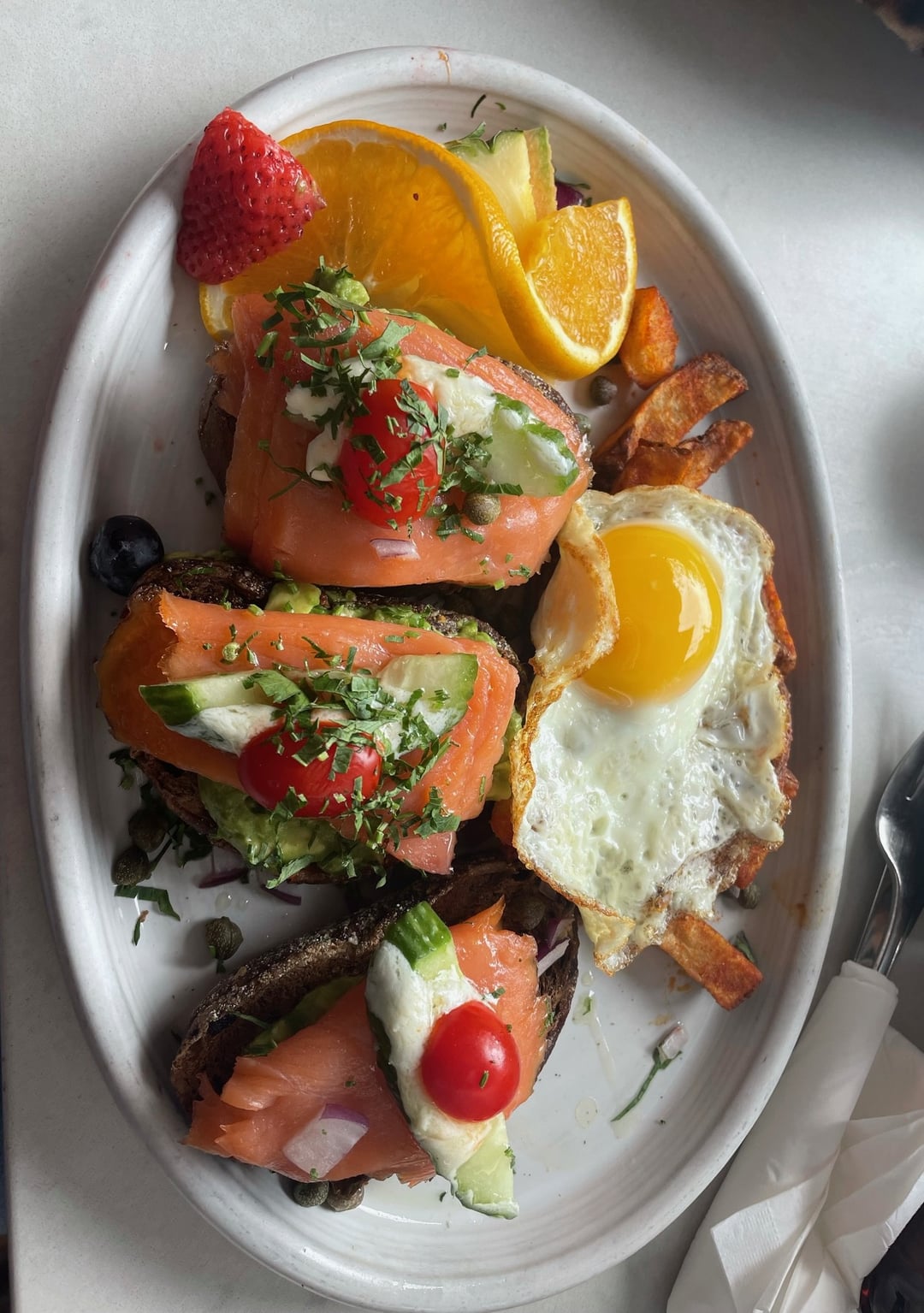
Rather than trying to make one number as high as possible, we look at the balance of protein, carbs, fats, and fiber, along with fruits and vegetables.
Fiber is a good example. Around 95% of Americans don't meet recommended fiber intake, so while protein tends to get most of the attention, another nutrient may actually be the one that’s lacking. We manage our fiber intake with berries, quinoa, and chia seed pudding.
We look past the protein number.
If something says “20g protein” on the front, the back usually tells us a lot more: added sugar, saturated fat, and the full ingredient list.
When we buy protein powders or bars, we seek out products that are independently tested. We pay attention to ingredients like sugar alcohols, including sorbitol, maltitol, and xylitol, which can be harder to absorb and may cause digestive discomfort, especially in larger amounts.
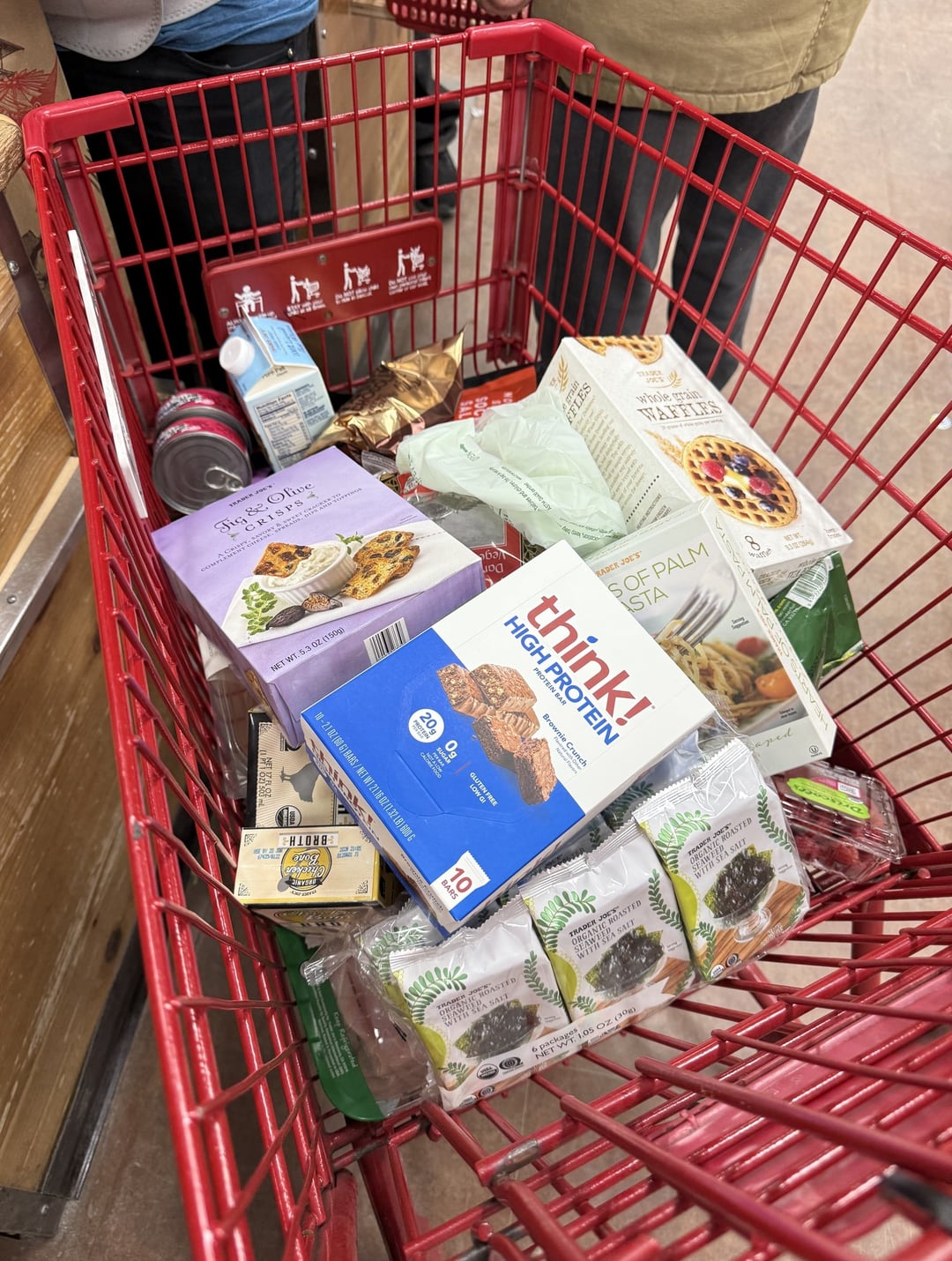
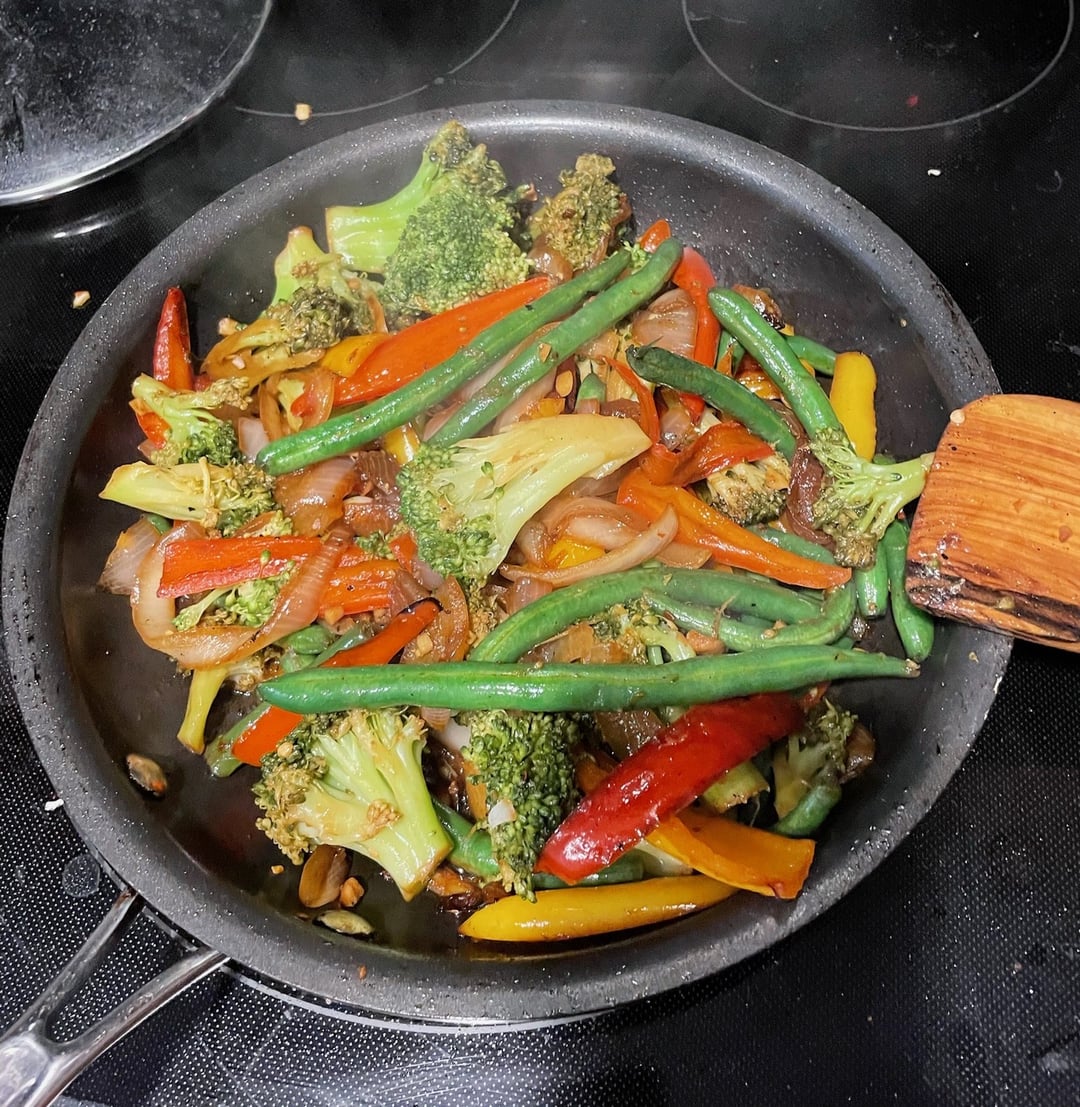
We use protein products when they make life easier.
Whether it’s a busy morning, a long day, or we need something quick after a workout, having a protein bar is a practical way to make sure we’re still getting what we need.
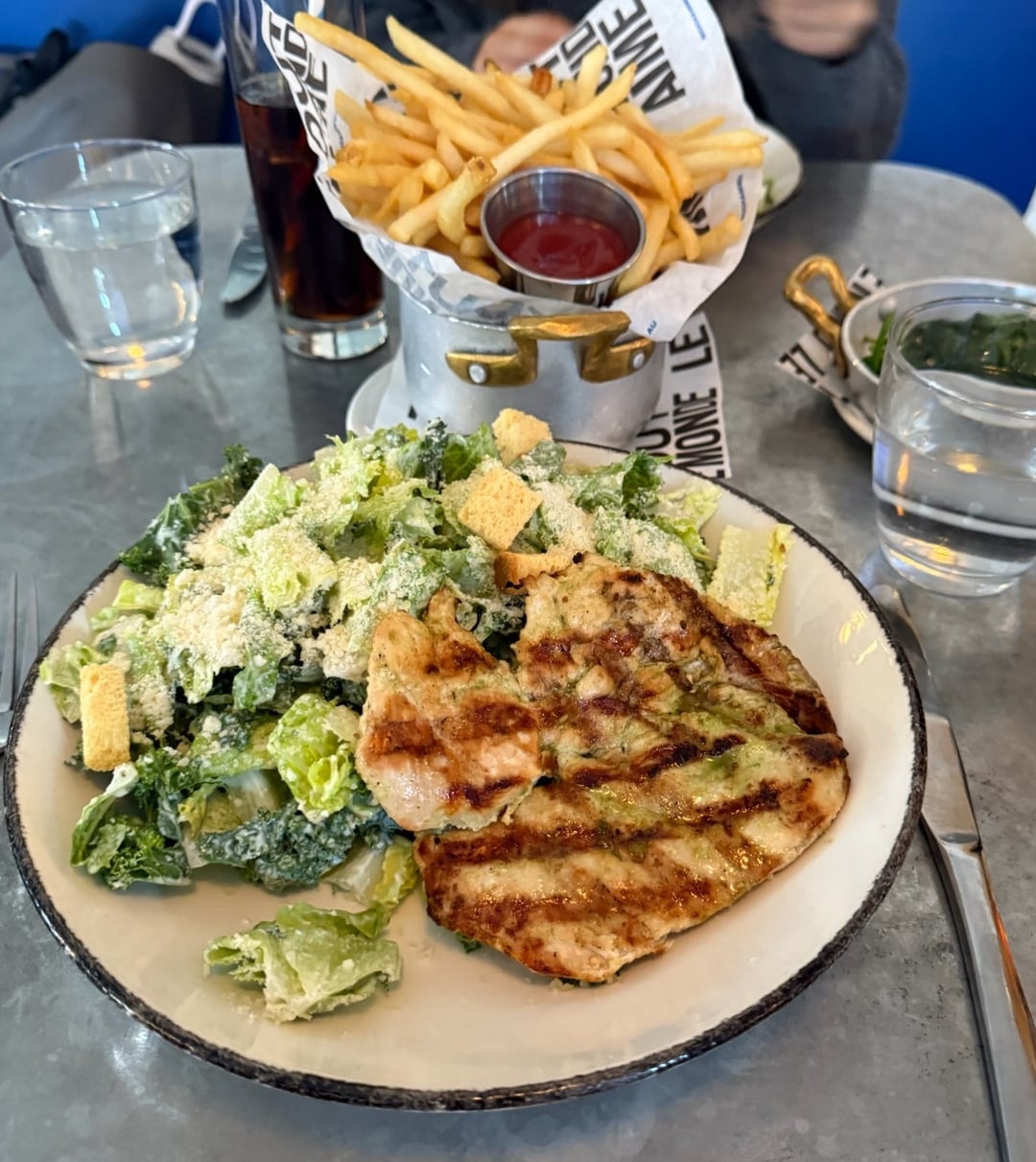
Protein is important. But getting enough of it is less about chasing the highest number and more about putting together meals that are balanced, satisfying, and actually work for your lifestyle and goals.
Building Balanced Meals
Breakfast
| Sweet | Savory | |
|---|---|---|
| Yogurt Bowl | Breakfast Plate | |
| Greek yogurt | ← Protein → | Eggs |
| Chia seed pudding, berries | ← Fiber → | Berries |
| Peanut butter | ← Fats → | Avocado |
| Honey | ← Carbs → | English muffin |
| Cinnamon | ← Your choice → | Cholula hot sauce |
Lunch
| On-The-Go | At Home | |
|---|---|---|
| Combo of Snacks | Buffalo Chicken Wrap | |
| Chomps stick | ← Protein → | Grilled chicken breast, Greek yogurt |
| Perfect Bar | ← Fats → | Light mozzarella cheese |
| Snyder’s gluten-free pretzels | ← Carbs → | Gluten-free wrap |
| Some days are just busy. Find the best option nearby. | ← Your choice → | Buffalo sauce |
Dinner
| Light | Hearty | |
|---|---|---|
| Dinner Plate | Homemade Bowl | |
| Salmon | ← Protein → | Ground beef, cottage cheese |
| Broccoli | ← Fiber → | Sweet potato |
| Avocado | ← Fats → | Avocado |
| Rice | ← Carbs → | Corn |
| Teriyaki sauce | ← Your choice → | Tajín |
Our On-the-Go Faves
- RXBARs
- Chomps sticks
- Balanced Breaks with nuts + cheese
- Nuts
- Perfect Bars
- KIND Bars
- WILDE Buffalo Protein Chips
- Ballerina Farms protein powder (vanilla!)
Chia Seed Pudding
Ingredients
- ¼ cup chia seeds (14g fiber)
- 1 cup almond milk, or milk of choice
- 1 tsp vanilla extract
- 1 tbsp honey
How we make it
Mix everything together in a sealed container and refrigerate for 4–6 hours. Give it another stir about halfway through.
How we eat it
Add a spoonful to yogurt bowls or eat with fruit.